
Activities
Ways of taking part
Science is not delivered at WSCosmos sessions so much as practised. Each format below is an invitation to observe, question, reason, and discover alongside everyone else in the room.
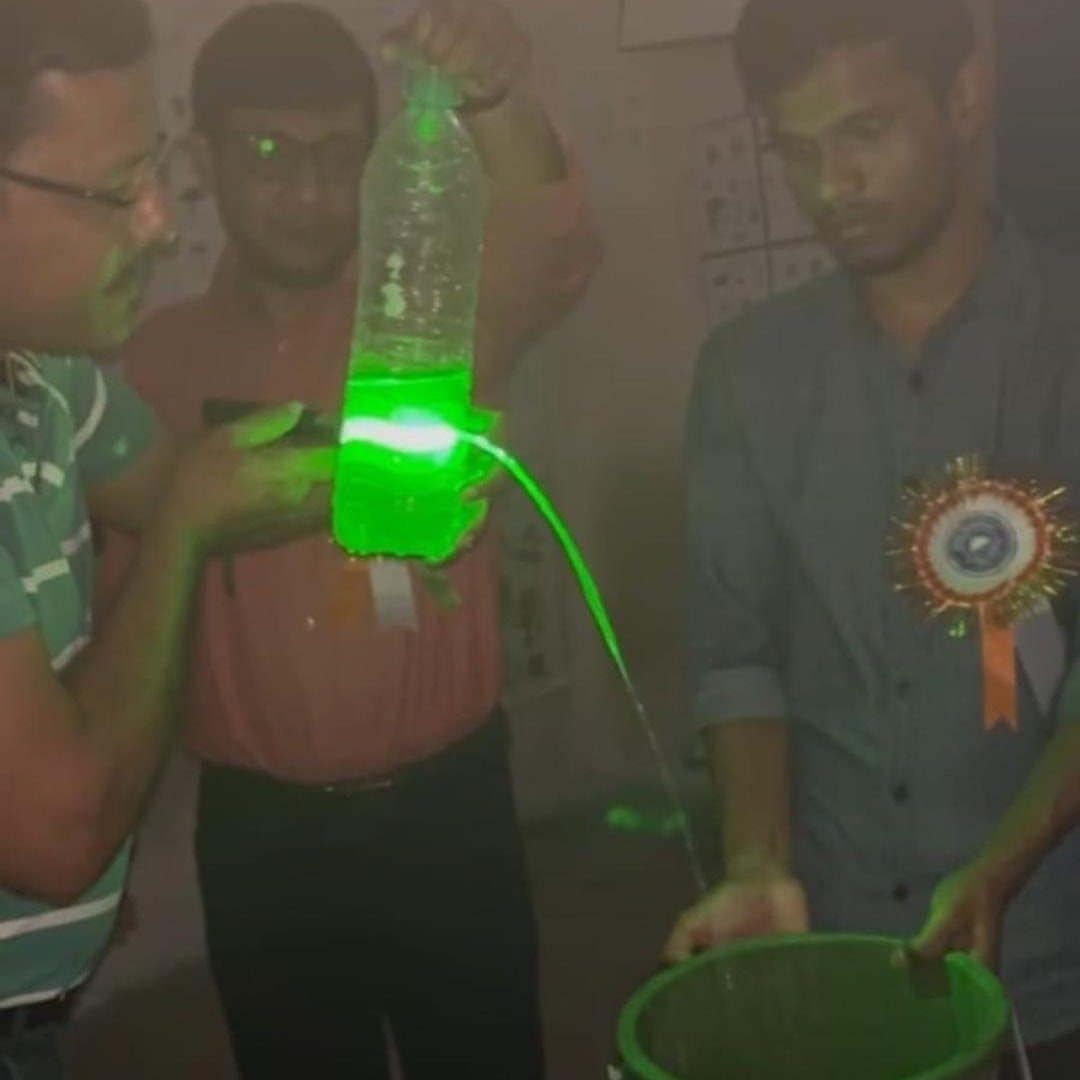
Interactive demonstrations
Hands-on experiments that let a principle be seen, heard, and handled rather than only described.
A demonstration turns an abstraction into something that happens in front of you. Participants are invited to predict what will occur, watch it unfold, and then work out why their prediction held or failed — the same loop that underlies scientific practice itself.
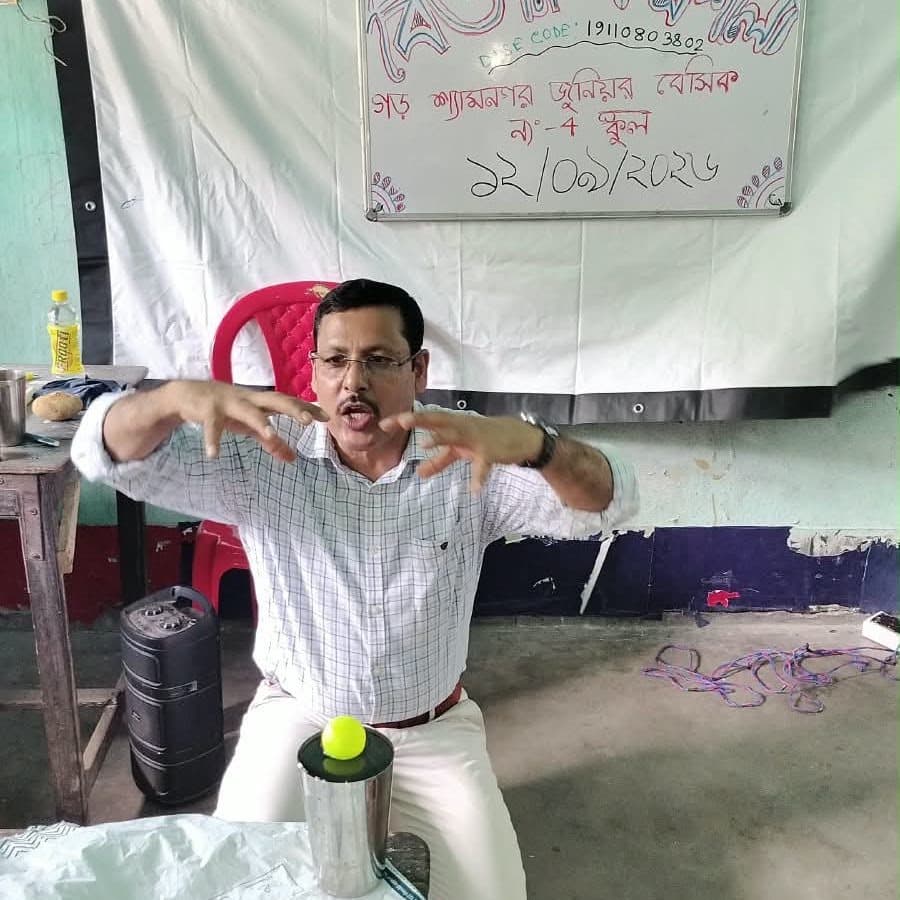
Discussions
Open conversations where questions are followed wherever they lead, and disagreement is treated as useful.
Sessions are deliberately unhurried. The aim is not to arrive at a settled answer but to examine how an idea holds up under scrutiny, what evidence would support or undermine it, and which assumptions were being carried in unexamined.
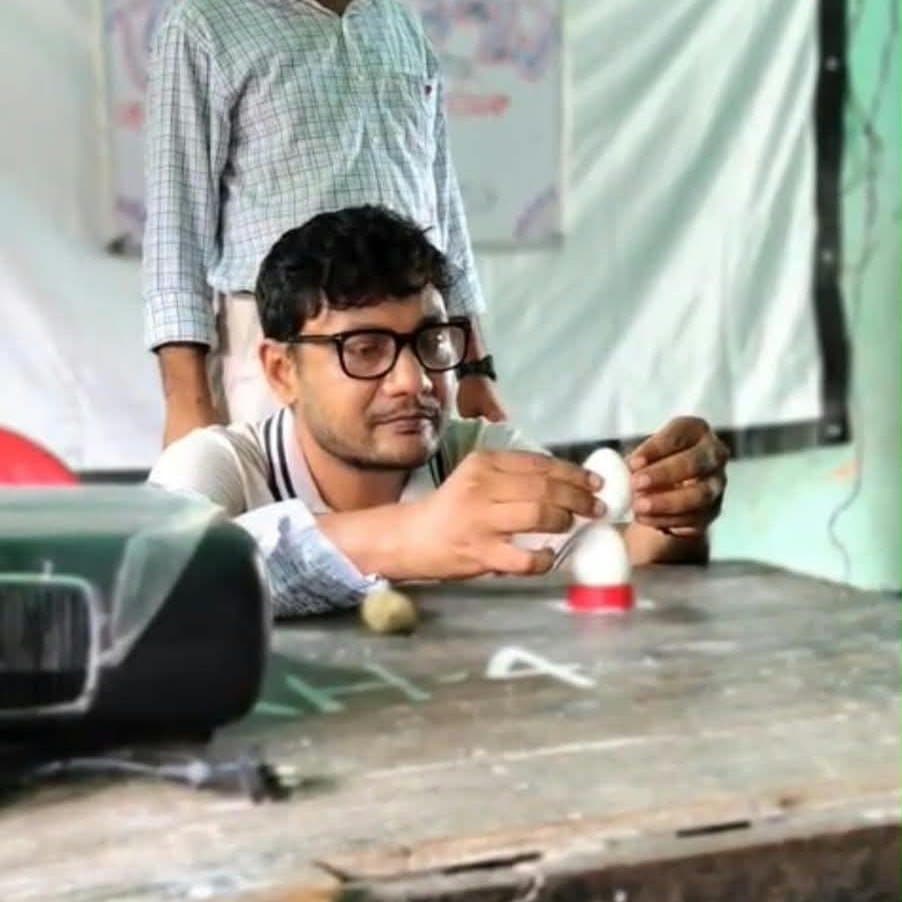
Workshops
Longer, practical sessions for learners who want to build a skill or work through a topic in depth.
Workshops give participants time to make mistakes productively — assembling, measuring, recording, and revising. They suit school and college groups, teacher gatherings, and community organisations.
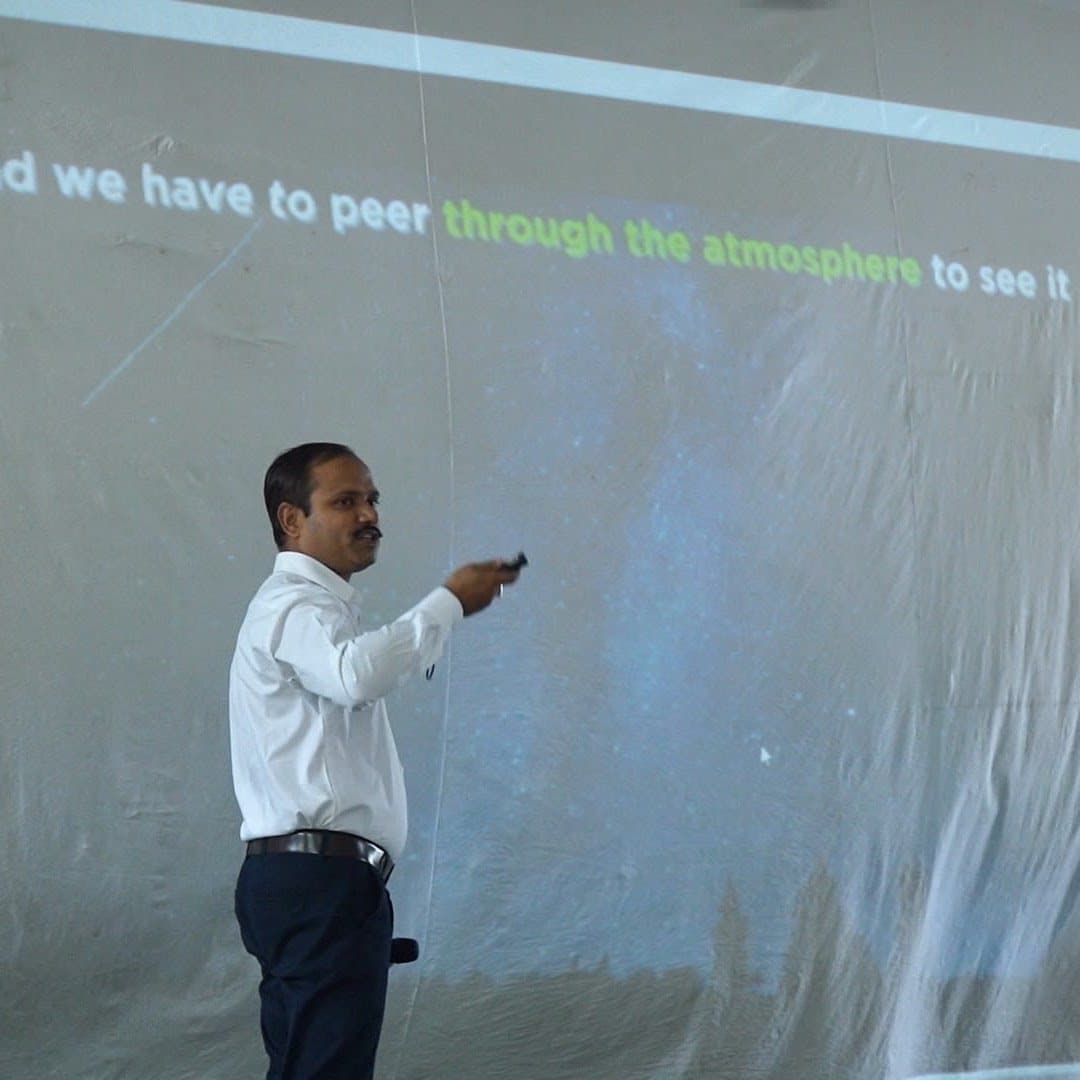
Lectures
Talks drawing on astronomy, neuroscience, evolution, education, and everyday human experience.
Talks are pitched for mixed audiences rather than specialists, and are built to leave people with better questions than the ones they arrived with.
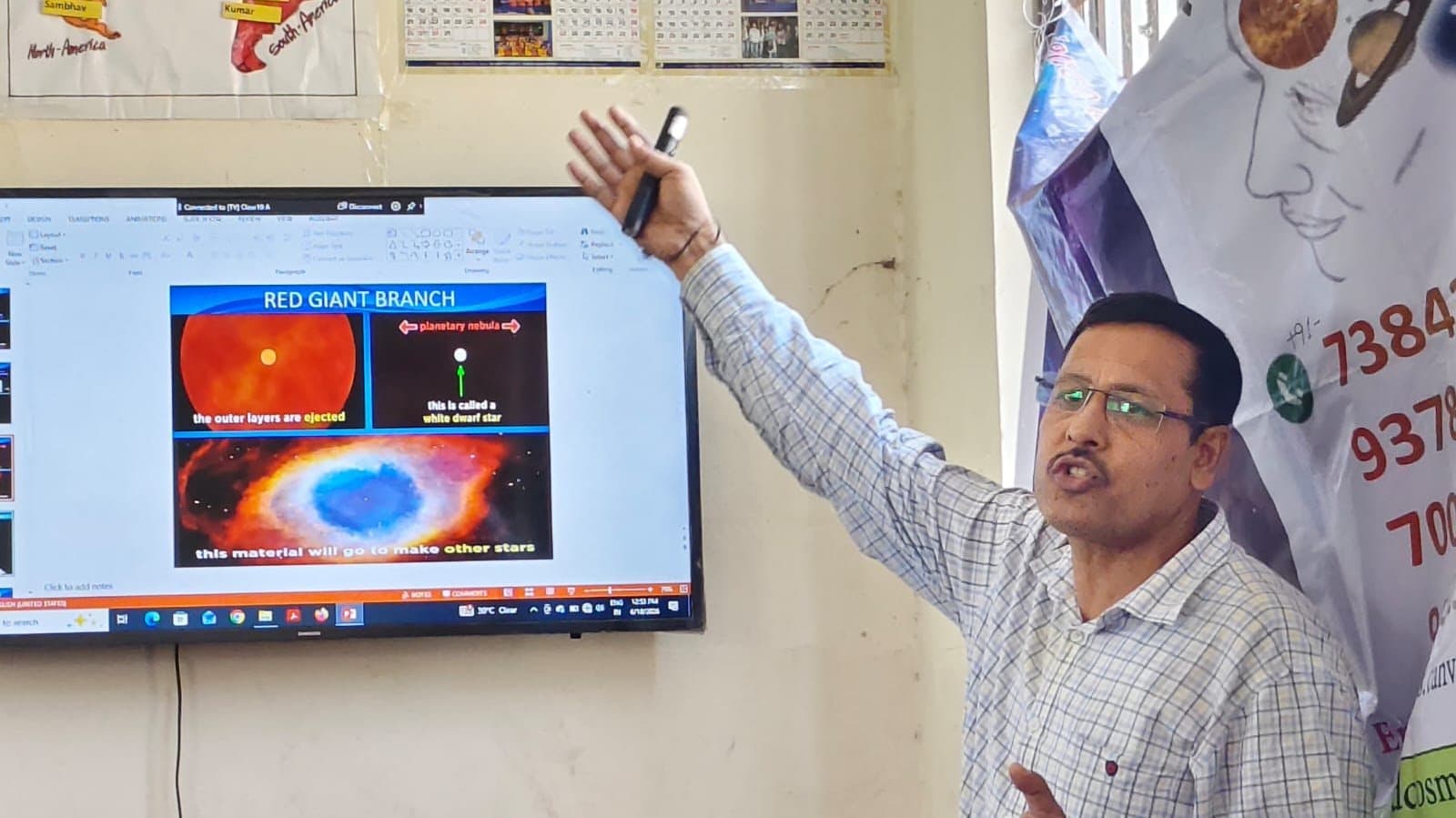
Astronomy sessions
Guided observation of the night sky — the Moon, planets, and the wider structure of what surrounds us.
Observation sessions pair time at the telescope with orientation to the naked-eye sky, so that participants can continue to find their way around long after the session ends.
Interested in hosting a session?
Sessions can be arranged for schools, colleges, teacher groups, and community organisations. Formats and duration are adapted to the group.
Get in touch